Author: admin

  • The Best Night of the Season Can Turn Into the Worst Night of Your Year — What to Know If You’re Hurt Near MetLife Stadium

    The Best Night of the Season Can Turn Into the Worst Night of Your Year — What to Know If You’re Hurt Near MetLife Stadium

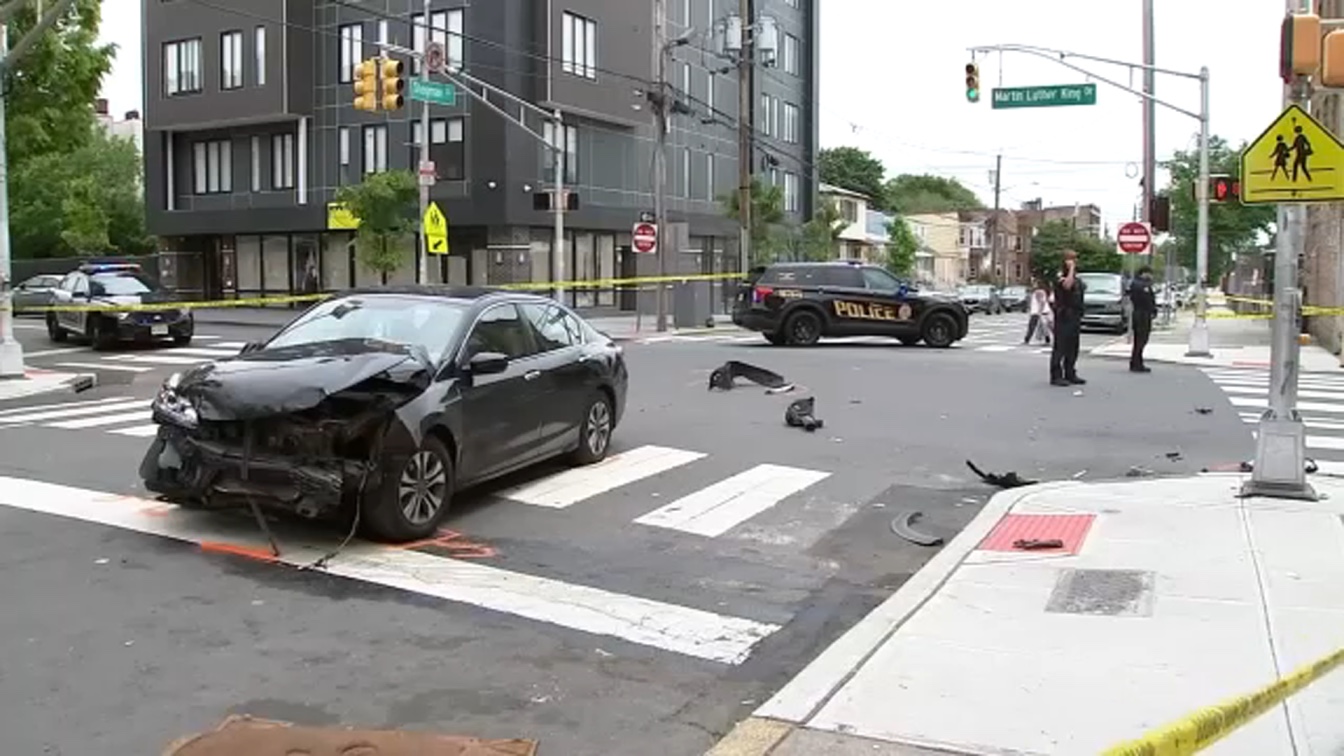
    There’s a specific kind of feeling that comes with leaving MetLife Stadium after a big game. Everyone’s tired, everyone’s a little loud, and everyone wants the exact same thing: to get out of that parking lot and go home. It’s not a bad feeling — until it is. Until the car ahead of you slams on its brakes, or a driver who’s had one tailgate beer too many clips your bumper, or you’re crossing between the stadium and your car and a set of headlights comes around the corner faster than they should.

    If that’s happened to you, the shock of it can be disorienting in a way that’s hard to describe to someone who wasn’t there. One minute you’re still riding the high of the game. The next, you’re standing on the side of a road you don’t know well, holding your neck, trying to remember your insurance card’s phone number. That whiplash — from celebration to crisis — is real, and it’s worth naming before we even get into the legal side of things.

    Why This Particular Stretch of Road Turns Into Chaos

    MetLife Stadium sits inside the Meadowlands complex, right along Route 3 and Route 120, with the NJ Turnpike’s Exit 16W feeding traffic in and out. On a normal day, that’s a busy but livable stretch of New Jersey road. On an event day, it becomes something else entirely — tens of thousands of cars trying to leave within the same twenty-minute window, parking lots the size of small towns emptying out all at once, and pedestrians weaving between cars in the dark on their way back from the game.

    Add in a few hours of tailgating before kickoff, and you get a mix of fatigue, impatience, and impaired judgment that produces a very different pattern of crashes than you’d see on an ordinary Tuesday.

    Your Rights Go Further Than You Might Think

    Here’s something a lot of people don’t realize until they’re already in the middle of a claim: if the driver who hit you had been drinking at the stadium — a suite, a concession stand, a tailgate — New Jersey’s Dram Shop Act may let you pursue a claim against whoever served that alcohol, not just the driver. And if you were hit by a rideshare driver making an unsafe pickup, the coverage that applies depends on exactly what stage of the ride they were in when the crash happened.

    Our friends at The 25 Percent Lawyers put together a full breakdown of these event-day legal nuances — dram shop liability, rideshare coverage tiers, and the deadlines that apply to a MetLife Stadium crash — that’s worth reading in full if this happened to you.

    LawyerCarAccidentNYNJ.com also covers this topic from the perspective of someone who’s actually handled these cases in Bergen County courts, including how the two-year filing deadline and 90-day government-vehicle exception apply here specifically.

    If You’re Still Shaken Up, That’s Normal

    It’s easy to feel a little foolish being upset about a “small” parking lot fender-bender, especially when the memory of the game itself is still so vivid. But an accident is an accident, whether it happens at 70 miles per hour on the Turnpike or at 5 miles per hour trying to exit Lot 17. Your body doesn’t know the difference, and neither does your right to be compensated for what you’re dealing with afterward.

    Getting Help

    Both firms mentioned above have represented accident victims across Bergen County and the Meadowlands corridor for decades, work on a 25% contingency fee rather than the industry-standard 33⅓%, and offer free consultations around the clock.

    📞 Ready to talk to someone? Reach out to The 25 Percent Lawyers or LawyerCarAccidentNYNJ.com for a free consultation.

    This article is a third-party informational summary and does not constitute legal advice.

  • Bergen County’s Three Most Dangerous Corridors — And What to Do If You’re Hurt in One

    Bergen County’s Three Most Dangerous Corridors — And What to Do If You’re Hurt in One

    If you drive through Bergen County regularly, you already know it doesn’t take long to hit a trouble spot. Between the George Washington Bridge approach in Fort Lee, the Route 4/Turnpike tangle near Hackensack, and the shopping-corridor chaos of Paramus, this stretch of New Jersey packs an unusual amount of crash risk into a relatively small area.

    We pulled together what three in-depth guides from The 25 Percent Lawyers have to say about each of these corridors — what makes them dangerous, and what victims need to know if they’re hurt in one.

    Fort Lee & the GWB Approach

    The I-95/Route 4 interchange feeding the George Washington Bridge is one of the most congested intersections in the entire country, and accidents here come with a wrinkle most drivers don’t expect: if your crash happened on the bridge structure itself or in a toll plaza, you may be dealing with the Port Authority of New York and New Jersey — a bi-state agency with a claim notice deadline as short as 90 days, far tighter than New Jersey’s standard two-year window. Add in the constant mix of New York and New Jersey insured drivers crossing this corridor daily, and it’s easy to see why these cases need specialized handling.

    📖 Full guide: GWB Approach Accidents: What to Do After a Crash Near the George Washington Bridge

    Hackensack: Route 4 & the NJ Turnpike

    Hackensack sits right where Route 4 and the New Jersey Turnpike collide with heavy commuter and commercial traffic. Rear-end collisions cluster near the Route 17 interchange and the Hackensack River bridge, while the Turnpike’s mix of tractor-trailers and passenger vehicles near Exit 16W makes for some of Bergen County’s most serious highway crashes. The guide below breaks down the causes, the immediate steps victims should take, and the New Jersey legal deadlines — including the two-year statute of limitations and the 90-day notice period for claims involving government vehicles — that apply here.

    📖 Full guide: Car Accidents on Route 4 & the Turnpike Near Hackensack: What Victims Need to Know

    Paramus: Six Malls, Two Highways

    Paramus packs six major shopping centers and hundreds of retail stores into one of Bergen County’s smallest municipalities — and Route 17 and Route 4 run right through the middle of it. The result: constant conflict between highway traffic and cars turning in and out of mall driveways, plus a heavy volume of pedestrians crossing lanes that weren’t built with foot traffic in mind. Crash rates spike hard during weekends and the holiday shopping season.

    📖 Full guide: Why Paramus Has Some of NJ’s Worst Shopping-Corridor Car Accidents

    The Common Thread

    All three corridors share the same underlying problem: too much traffic density, too many merge points, and too little margin for error. And in New Jersey, the clock on your legal claim can start ticking faster than you’d expect — as little as 90 days in some cases involving government or Port Authority vehicles, compared to the standard two-year statute of limitations for most personal injury claims.

    If you were hurt in any of these areas, the team at The 25 Percent Lawyers has represented Bergen County accident victims since 1993 — including cases arising from all three of these corridors. They work for just 25% of your recovery, not the 33⅓% most New Jersey firms charge, and consultations are free.

    📞 Free consultation, 24/7: Contact The Law Office of Raffi T. Khorozian

    Disclaimer: This article is a third-party informational summary and does not constitute legal advice.

  • The Number on the Settlement Letter Isn’t the Number in Your Account

    There’s a particular kind of relief that comes with a settlement letter. Months of appointments, phone calls, and waiting — and finally, a number. For a lot of people, that number feels like the end of the story.

    It isn’t quite the end. Not because anything goes wrong, but because a settlement figure and a settlement check are two different things, and almost nobody explains the gap between them until a client is already staring at it.

    Where the confusion starts

    A settlement check is typically made out to both the client and their attorney, and it lands in a trust account before it lands in anyone’s personal bank account. From there, a short list of obligations gets settled — the attorney’s fee, case costs, and often a lien or two from whoever covered medical bills along the way.

    New Jersey’s no-fault insurance system means most drivers’ own auto insurance covers their first round of medical bills through PIP coverage, regardless of who caused the crash. Once a case settles, that insurer typically has the right to be reimbursed. Health insurance plans — Horizon, Aetna, Medicare, an employer plan — often have the same right if they covered accident-related treatment.

    None of this is a red flag. It’s just part of how a New Jersey car accident case gets closed out. The full explanation of what gets handled after a settlement, and why walks through each piece in detail.

    The part that actually determines what you keep

    Here’s the thing most people miss: those liens exist whether or not a driver hires a lawyer. Skipping legal representation doesn’t make a PIP lien disappear — it just means there’s no one asking the insurer to lower it.

    That negotiation is quiet, unglamorous work. It doesn’t come with a headline. But bringing a lien down by even a few thousand dollars can matter as much to a client’s final check as the settlement number itself. It’s one of the clearest examples of where experienced representation pays for itself well after the case has technically been “won.”

    Fees aren’t one-size-fits-all, either

    New Jersey’s standard contingency fee for car accident cases runs around 33⅓% of the settlement. Some firms charge less — The Law Office of Raffi T. Khorozian works on a 25% fee, a difference that adds up to real money on any sizable settlement. Understanding how attorney fees and costs actually work when hiring a car accident lawyer in New Jersey is worth doing before signing with anyone, not after.

    If you’re still early in this

    For drivers who were just in an accident, the settlement stage can feel far away — and it is, at first. What matters right now is doing the early steps right: documenting the scene, seeking medical care, and knowing what to do in the first hours and days after a crash. Good records early on make everything that happens later — including lien negotiation — faster and less stressful.

    The number on the settlement letter will always be the headline. What actually lands in a driver’s account depends on the work that happens after it — and who’s doing that work on their behalf.

  • New Jersey Car Accident Deadlines: A County-by-County Guide for Injured Drivers

    New Jersey Car Accident Deadlines: A County-by-County Guide for Injured Drivers

    Every county in New Jersey has its own traffic patterns, its own dangerous stretches of road, and its own steady stream of car accident cases. What doesn’t change from county to county is the clock that starts running the moment a crash happens. Whether the collision happened on the Garden State Parkway in Monmouth County or at a light on Route 46 in Passaic, the same statewide deadline applies to your right to file a claim — and missing it can end a case before it ever really starts.

    Here’s how that deadline plays out for drivers across New Jersey, and why local knowledge of your county’s roads, courts, and traffic patterns matters just as much as the calendar.

    The Deadline Doesn’t Care Which County You’re In

    New Jersey gives injury victims two years from the date of the crash to file a personal injury lawsuit, no matter where in the state the accident happened. Property damage claims get a longer six-year window. That part of the law is uniform statewide — a rear-end collision on Route 1 in Middlesex County is governed by the exact same two-year rule as a T-bone crash on Route 22 in Somerset County.

    What isn’t uniform is how quickly that two years actually gets eaten away. A few things speed up the clock no matter where you live:

    • Evidence tied to a specific road disappears fast. Traffic camera footage along corridors like Route 4, Route 17, or the Pulaski Skyway is often overwritten within days. Skid marks fade. Damaged guardrails get repaired.
    • Local witnesses are hard to pin down. Commuters on the NJ Turnpike or Garden State Parkway are, by definition, passing through — if you don’t get their contact information at the scene, they’re often impossible to track down later.
    • County court schedules and local insurance adjusters move at their own pace. Some counties see far more filings than others, and case timelines can vary accordingly.
    • Certain claims move even faster than two years. If a county or municipal vehicle was involved — a garbage truck, a police cruiser, a public bus — New Jersey’s Tort Claims Act can require a notice of claim within just 90 days, regardless of which county the accident happened in.

    For a full breakdown of the two-year rule, the exceptions that can shorten or extend it, and what happens if the deadline is missed, this county-by-county starting point on the two-year deadline walks through each scenario in detail — including minors, government claims, wrongful death, and UM/UIM policy deadlines.

    Why Local Roads Matter to Your Case, Not Just the Calendar

    Beyond the legal deadline, where your accident happened shapes how the case gets built.

    In Bergen County, heavy congestion on Route 4, Route 17, and the approaches to the George Washington Bridge means crash reconstruction often hinges on nearby traffic camera footage — footage that has to be requested before it’s routinely deleted.

    In Essex and Hudson counties, dense intersections and high pedestrian volume around Newark, Jersey City, and the Pulaski Skyway corridor mean municipal and NJ Transit involvement is more common, which can trigger the shorter government-claim notice period.

    Along the Monmouth and Middlesex county shore corridors — Route 35, Route 9, and the Garden State Parkway — seasonal traffic spikes in the summer months change both accident frequency and how quickly local courts move on filings.

    In Union, Somerset, and Morris counties, commuter-heavy routes like Route 22, Route 206, and I-80 see a steady stream of highway-speed collisions where injuries — like whiplash or back and neck trauma — sometimes don’t fully surface until weeks after the crash, which is exactly the kind of case the discovery rule exception can affect.

    The road doesn’t change the two-year deadline. It changes how much evidence is still available by the time someone acts on it.

    Don’t Wait to Find Out Which Deadline Applies to You

    Two years — or 90 days, if a government vehicle is involved — sounds like a long time until you’re the one trying to reconstruct what happened on a road you drive every day. The earlier a case is built, the more of that local evidence is still there to use.

    If you’re not sure which deadline applies to your situation, this NJ car accident statute of limitations guide is the place to start.

    Find a Local Office Near You

    The Law Office of Raffi T. Khorozian P.C. has 31 meeting locations across New Jersey, organized by county:

    Bergen CountyFort Lee | Hackensack | East Rutherford | Paramus | Saddle Brook

    Camden CountyCherry Hill

    Essex CountyNewark | East Orange | Montclair | Roseland

    Hudson CountyBayonne | Union City | Jersey City

    Hunterdon CountyHampton

    Mercer CountyHamilton

    Middlesex CountyEast Brunswick | Iselin | New Brunswick | Perth Amboy | Piscataway

    Monmouth CountyLong Branch | Red Bank | Freehold | Middletown | Neptune

    Morris CountyRockaway

    Passaic CountyClifton | Totowa

    Somerset CountyBridgewater

    Union CountyElizabeth | Union

    No matter which county you’re in, the firm’s fee stays the same: 25% of your net settlement, compared to the 33⅓% most other firms charge — with no fee unless you win. Call (888) 658-4284 for a free, 24/7 consultation.

  • Why Local Experience Matters When Hiring a Car Accident Lawyer in Bergen County

    Bergen County is not just another New Jersey county when it comes to car accidents. It is home to some of the most congested and dangerous roads in the entire northeastern United States — Route 4, Route 17, the I-95 approach to the George Washington Bridge, and the Garden State Parkway all run through it. In 2024, 18 people were killed in Bergen County car crashes, with that number continuing to climb into 2025.

    When you are hurt in a crash here, who you call matters.

    The Problem with Statewide-Only Firms

    Many New Jersey personal injury attorneys advertise broadly across the entire state. That sounds reassuring — until you realize that “statewide” can mean very little local depth. A lawyer who rarely appears in the Bergen County Superior Court in Hackensack, who doesn’t know the traffic patterns on Route 17 through Paramus or the merging chaos near Fort Lee’s I-95 ramps, is working at a disadvantage when building your case.

    Local knowledge matters in real, practical ways:

    • Court familiarity — The Bergen County Superior Court, Law Division in Hackensack has its own litigation pace, procedural expectations, and judicial temperament. Attorneys who appear there regularly are better positioned to manage your case efficiently.
    • Accident-specific knowledge — Knowing that a particular intersection in Hackensack has a documented accident history, or that a specific Route 46 stretch in Saddle Brook has poor sight lines, can support a liability argument that a generalist attorney simply would not think to make.
    • Local expert networks — Medical specialists, accident reconstruction experts, and investigators based in Bergen County respond faster and carry more credibility in local proceedings.

    What to Ask Before You Hire

    Before signing anything with a Bergen County car accident attorney, ask three specific questions:

    1. How many car accident cases have you handled in Bergen County specifically?
    2. Have you filed in the Bergen County Superior Court in the past two years?
    3. Who will be my primary point of contact — the attorney I’m speaking with, or a case manager?

    Any attorney who answers these confidently and specifically — with real examples, not vague assurances — is worth a deeper conversation.

    The Fee Question No One Asks

    Most Bergen County car accident victims don’t realize that the standard 33⅓% contingency fee is not a legal requirement. It is a market norm. Some attorneys charge less. On a $150,000 settlement, the difference between 33⅓% and 25% is $12,500 that either goes to the lawyer or stays in your pocket.

    That is a question worth asking before you sign.

    Where to Start

    If you were hurt in a crash anywhere in Bergen County — Fort Lee, Hackensack, Paramus, East Rutherford, Saddle Brook, or anywhere in between — an attorney with over 30 years of local experience and a 25% fee is available for a free consultation, 24/7.

    Learn more and get a free case evaluation: 👉 Car Accident Lawyer in Bergen County — The 25 Percent Lawyers 📞 (888) 658-4284

    No upfront fees. No fee unless compensation is recovered. Home and hospital visits available.

  • After a Car Accident in New Jersey: Why the Right Guidance Matters More Than You Think

    After a Car Accident in New Jersey: Why the Right Guidance Matters More Than You Think

    A car accident doesn’t end when the vehicles stop moving.

    For most people, that moment is just the beginning of something far more overwhelming—questions, uncertainty, and decisions that don’t feel easy to make.

    In the hours and days that follow, many accident victims find themselves trying to manage things they were never prepared for. Insurance calls come sooner than expected. Symptoms may appear later. Conversations replay in your mind. And somewhere in between, you’re trying to figure out what to do next—without making a mistake that could affect you later.

    This is where the value of the right guidance becomes clear.

    Why the Early Moments After an Accident Are So Important

    Right after a crash, people are not thinking like legal experts. They are reacting as human beings.

    You might be trying to stay calm, checking if others are okay, or simply trying to process what just happened. In those moments, it’s natural to speak freely, to respond quickly, and to act based on instinct.

    But what many people don’t realize is that these early actions—especially what you say—can quietly shape what happens next.

    Even simple statements made at the scene can later be interpreted in ways you didn’t intend. Insurance companies rely heavily on early information, and once something is said, it often becomes part of the record.

    That’s why understanding how to handle those first conversations matters more than it may seem at the time.

    👉 If you want a deeper understanding of how your words can affect your situation, this resource explains it clearly:
    What Not to Say After a Car Accident in New Jersey — And Why It Matters

    The Uncertainty That Follows an Accident

    One of the most difficult parts of an accident isn’t just the event itself—it’s what comes after.

    You may feel fine initially, only to notice discomfort later.
    You may expect a straightforward insurance process, only to receive an offer that doesn’t feel right.
    You may assume everything is clear, until questions about fault begin to arise.

    This shift—from certainty to uncertainty—is where many people begin to feel stuck.

    And it’s also the point where having the right information—or the right support—can change how the situation unfolds.

    Why Many Victims Hesitate to Seek Help

    It’s common for accident victims to hesitate before reaching out for guidance.

    Some believe their case is too small.
    Others assume they can handle everything on their own.
    Many worry that asking for help will complicate things—or cost them more in the long run.

    These concerns are understandable.

    But what often goes unspoken is this:

    Most people are not looking for aggressive legal action. They are looking for clarity. They want to know where they stand, what their options are, and whether they’re making the right decisions.

    What Support Actually Looks Like After an Accident

    There’s a common misconception that legal support only becomes relevant if a case goes to court.

    In reality, most of the value comes much earlier.

    Guidance at the right time can help accident victims:

    • Understand how their case is viewed
    • Avoid saying or doing things that could weaken their position
    • Navigate conversations with insurance companies more confidently
    • Recognize when a settlement may not reflect the full impact of the accident

    It’s not about taking over the situation—it’s about helping someone move through it with more clarity and less confusion.

    Knowing When You Might Need More Than Just Basic Guidance

    Not every accident requires legal involvement. Some situations are straightforward and resolve without complications.

    But there are moments when things become less clear.

    When injuries begin to appear after the fact.
    When fault is questioned.
    When insurance responses feel incomplete or rushed.
    When the situation becomes more complex than expected.

    In these situations, having informed guidance can make a meaningful difference—not just in outcomes, but in peace of mind.

    👉 If you’re wondering whether your situation falls into that category, this article offers a helpful perspective:
    Do I Need a Lawyer After a Car Accident in New Jersey?

    A More Client-Focused Approach to Car Accident Support

    Over time, there has been a noticeable shift in how accident victims approach these situations.

    People are no longer simply looking for representation—they are looking for transparency, clarity, and a sense that their interests come first.

    This has led to more client-focused approaches, where the goal is not just to handle a case, but to help individuals understand what’s happening and why.

    That kind of support often makes a difference long before any outcome is reached.


    After a car accident, it’s easy to feel like you need to figure everything out immediately.

    But the truth is—you don’t.

    What matters most is not how quickly you respond, but how carefully you do.

    Having the right information, taking a moment before making decisions, and seeking clarity when things feel uncertain—these are the steps that help you move forward with confidence.

    Because in the end, it’s not just about handling the accident.

    It’s about making sure it doesn’t quietly affect you in ways you didn’t expect.

  • 7 Costly Mistakes to Avoid After a Car Accident in New Jersey

    Most people don’t expect to be in a car accident. And when it happens, the focus is usually on the immediate situation — checking for injuries, dealing with the damage, and getting through the moment.

    But what many don’t realize is that the biggest problems often come after the accident.

    In New Jersey, what you do in the hours and days following a crash can directly impact your health, your insurance claim, and even your financial recovery. Unfortunately, small mistakes made early on can become difficult to fix later.

    Here are some of the most common mistakes accident victims make — and how to avoid them.

    1. Waiting to Seek Medical Attention
    It’s common to feel “okay” right after a crash. Adrenaline can mask pain, and symptoms may not appear until later. But delaying medical care can not only affect your health — it can also weaken your claim. Medical records play a key role in connecting your injuries to the accident.

    2. Giving Recorded Statements Too Quickly
    Insurance adjusters often call soon after an accident and may request a recorded statement. What feels like a simple explanation can sometimes be used later to minimize your claim. It’s important to understand what you’re being asked before responding.

    3. Accepting a Quick Settlement Offer
    Early settlement offers can seem helpful, especially when bills start coming in. But these offers are often made before the full extent of injuries is known. Once accepted, you typically cannot go back and ask for more — even if your condition worsens.

    4. Not Documenting the Scene Properly
    Photos, witness details, and basic documentation can make a significant difference later. Without it, proving what happened becomes more difficult.

    5. Ignoring Follow-Up Medical Care
    Stopping treatment too early or missing appointments can be used to argue that your injuries were not serious. Consistency in care matters — both for recovery and for your case.

    6. Assuming Insurance Will Handle Everything Fairly
    Many people believe the process will be straightforward. But insurance companies evaluate claims with their own interests in mind. Understanding how the process works can help avoid surprises.

    7. Waiting Too Long to Understand Your Options
    You don’t need to take legal action immediately. But waiting too long to get clarity can limit your options. Even a basic understanding of the process can help you avoid costly decisions.

    For a step-by-step breakdown of what to do after a crash, this complete guide explains how the process works in New Jersey and what actions can help protect you early on:
    👉 https://www.the25percentlawyers.com/what-to-do-after-a-car-accident-newjersey/

    At the same time, having access to clear, practical information can make a stressful situation easier to manage. Resources like lawyercaraccidentnynj.com provide helpful insights into how claims are handled, what to expect from insurance companies, and how to navigate the process with more confidence.

    In situations like these, the goal isn’t just to react — it’s to make informed decisions.

    Because after an accident, what you avoid can be just as important as what you do.

  • A Closer Step to Help: New Red Bank Office Brings Legal Support to Monmouth County

    When a law firm opens a new office, it’s often seen as a sign of growth. But for people dealing with the aftermath of a car accident, it usually means something far more practical — access to guidance that’s nearby, easier to reach, and available when it’s actually needed.

    That’s what makes the recent expansion of The Law Office of Raffi T. Khorozian P.C. into Red Bank worth paying attention to. With this new location, the firm is now positioned to serve individuals and families throughout Monmouth County more directly, without requiring them to travel outside their area for experienced legal support.

    Over time, the firm has become known across New Jersey for taking a more straightforward approach to accident cases. Instead of focusing on volume, the emphasis has been on helping clients understand what they’re dealing with — from how insurance works to what their claim may realistically involve. A key part of that approach is their reduced contingency fee, set at 25%, which stands in contrast to the higher percentages commonly charged elsewhere. For someone already managing medical expenses and lost income, that difference can have a meaningful impact.

    Bringing this model into Red Bank comes at a time when Monmouth County continues to see steady traffic activity across its roads. With that comes a consistent number of accidents, many of which leave people dealing with more than just vehicle damage. Medical treatment, time away from work, and ongoing communication with insurance companies quickly become part of the picture.

    What tends to catch people off guard is how quickly everything starts moving. Insurance companies often begin evaluating claims right away, sometimes making early settlement offers before the full extent of injuries is known. Without a clear understanding of the process, it’s easy for accident victims to feel like they’re making decisions without all the information in front of them.

    Having a local office changes that experience.

    With a presence in Red Bank, individuals in Monmouth County can speak with a lawyer earlier in the process — not necessarily to take legal action immediately, but to get clarity. That initial conversation can help answer questions, explain options, and prevent common mistakes, such as accepting a settlement too soon or overlooking future medical needs.

    Another aspect that stands out about the firm is how it approaches communication. Rather than relying on legal jargon, the focus is on explaining things in a way that makes sense. Clients are guided through New Jersey’s no-fault insurance system, including how Personal Injury Protection (PIP) works and when a case may go beyond those limits. For someone navigating this for the first time, that level of explanation can make the process far less overwhelming.

    For those who want to explore their options further, resources like www.the25percentlawyers.com provide a closer look at how the firm handles accident claims and why its fee structure has drawn attention. In addition, lawyercaraccidentnynj.com offers practical insights into what typically happens after a crash, helping individuals better understand the steps involved and what to expect.

    The addition of the Red Bank office reflects more than just expansion — it highlights a growing need for legal services that are both accessible and transparent. People are looking for answers they can trust and guidance that doesn’t add to the stress they’re already experiencing.

    For residents of Monmouth County, having that kind of support close to home can make a real difference. It turns what can feel like a complicated situation into something more manageable, giving individuals the ability to move forward with a clearer understanding of their options.

    And in situations where timing and informed decisions matter, having that access locally isn’t just helpful — it’s essential.

  • Why Your Auto Insurance Matters More Than You Think in 2026

    Why Your Auto Insurance Matters More Than You Think in 2026

    Most drivers in New Jersey believe their auto insurance will protect them if an accident happens. Unfortunately, many only discover the truth after they are already injured, overwhelmed, and facing medical bills.

    By the time an accident occurs, insurance policies cannot be changed. That is when many victims realize that what they thought was protection was actually limitation.

    As 2026 begins, now is the right time to understand what your auto insurance truly covers — and what it does not.

    Because when someone contacts a car accident lawyer in New Jersey, the case does not start with the crash. It starts with the insurance policy.

    Minimum Coverage Is Not Maximum Protection

    New Jersey law allows relatively low minimum insurance limits. While these limits may satisfy legal requirements, they rarely reflect real-world medical and financial needs.

    A single accident can involve:

    • Emergency room treatment
    • Diagnostic scans
    • Surgery or rehabilitation
    • Lost income
    • Ongoing medical care

    When coverage runs out, recovery becomes a financial struggle instead of a medical process.

    Insurance should protect recovery — not restrict it.

    Bodily Injury Coverage Protects Lives, Not Vehicles

    Property damage affects inconvenience.
    Bodily injury affects futures.

    Vehicles can be repaired.
    Human bodies cannot.

    Low bodily injury limits often force accident victims to make decisions based on money rather than health. That is why injury coverage deserves more attention than vehicle repair coverage.

    UM/UIM Coverage: The Safety Net Many Drivers Miss

    New Jersey roads include:

    • Uninsured drivers
    • Underinsured drivers
    • Out-of-state motorists
    • Commercial vehicles with limited policies

    When these drivers cause accidents, their insurance may not be enough — or may not exist at all.

    Uninsured and Underinsured Motorist coverage protects you when others cannot. For many accident victims, it becomes the only path to full compensation.

    Drivers who have UM/UIM rarely regret it.
    Drivers who do not often wish they had.

    PIP Coverage Controls Your First Stage of Recovery

    Personal Injury Protection allows medical care to begin immediately, regardless of fault.

    However, low PIP limits often force victims to delay or stop treatment. Recovery should never depend on remaining policy balances.

    In 2026, rising healthcare costs make strong PIP limits more important than ever.

    Small Coverage Changes Can Protect Your Entire Future

    Many drivers assume increasing coverage will dramatically increase premiums. In reality, modest upgrades often cost very little while providing powerful protection.

    The right coverage can:

    • Protect savings and property
    • Support long-term medical care
    • Strengthen legal claims
    • Reduce settlement pressure
    • Protect family stability

    Insurance should give you choices — not take them away.

    What Accident Victims Often Regret

    After accidents, victims rarely complain about traffic or weather. They complain about what they did not know.

    They assumed coverage was enough.
    They trusted the policy.
    They believed fairness was automatic.

    No one explained what to review.

    Education before renewal is the best prevention.

    How to Review Your Policy in 2026

    Before renewing, ask yourself:

    • Would my policy protect my lifestyle?
    • Could it handle permanent injury?
    • Would it support months without income?
    • Would it protect my family legally?

    If any answer feels uncertain, your policy deserves another look.

    Why Legal Insight Matters

    Insurance companies are financial institutions, not recovery partners. Policy language, exclusions, and limits control outcomes after accidents.

    That is why many injured people turn to a car accident lawyer in New Jersey — not to start conflict, but to restore balance.

    For a deeper breakdown of how insurance coverage affects real recovery, many New Jersey drivers find value in this resource:

    👉 New Year, New Coverage: What to Review in Your Auto Insurance Policy in 2026
    https://www.the25percentlawyers.com/new-year-new-coverage-what-to-review-in-your-auto-insurance-policy-in-2026/

    This guide explains how coverage choices directly impact medical and financial outcomes.

    Trusted Legal Education Matters

    Understanding insurance is part of understanding your legal rights. Many drivers rely on educational legal resources such as:

    👉 https://www.the25percentlawyers.com

    Their content helps New Jersey drivers understand both insurance realities and injury law protections.

    What Insurance Should Truly Provide

    Insurance should provide:

    • Peace of mind
    • Medical freedom
    • Financial stability
    • Legal protection
    • Family security

    It should never be the reason someone cannot heal properly.


    Final Thought for 2026 Drivers

    You cannot control who causes an accident.

    But you can control how prepared you are when one happens.


    👉 Before renewing your policy, know your rights if you’re injured in an accident.

    Because understanding your coverage today often determines how tomorrow unfolds.

  • After a Crash, the Urgency Isn’t Yours — It’s the Insurance Company’s

    After a Crash, the Urgency Isn’t Yours — It’s the Insurance Company’s

    A car accident doesn’t end when the vehicles stop moving.

    For most people, that’s when everything else begins. Pain that shows up hours later. A body that doesn’t feel quite right. Missed workdays. Sleepless nights. And a constant, nagging feeling that life has been knocked off balance.

    Then the phone rings.

    It’s the insurance company.

    They sound calm. Polite. Almost reassuring. They ask how you’re feeling. They say they want to “take care of things quickly” so you can move on. Sometimes they even mention a settlement before you’ve had time to fully understand what happened to you.

    For many people in Jersey City and across New Jersey, that call feels like relief.

    But it’s also the moment when the process starts moving faster than recovery ever does.

    Why Insurance Companies Are Always in a Hurry

    Insurance companies don’t rush because they’re concerned about your well-being. They rush because speed protects their interests.

    In the days immediately after a crash:

    • Injuries may not be fully diagnosed
    • Treatment plans haven’t taken shape
    • Pain levels change daily
    • Financial pressure is already setting in

    This early window is when claims are easiest to resolve—and cheapest to close. Any settlement offered during this time is based on incomplete information, not on the full impact the accident may have on your health, work, or daily life.

    Once an agreement is signed, the case is usually closed for good, even if your condition worsens later.

    The Injuries That Don’t Show Up Right Away

    One of the most unfair realities of car accidents is that many injuries don’t announce themselves immediately.

    At first, it might feel like soreness. Tightness. Fatigue. Headaches that come and go.

    Weeks later, it can turn into:

    • Persistent neck or back pain
    • Nerve issues or numbness
    • Trouble sitting, standing, or sleeping
    • Pain that interferes with work and daily routines

    By the time many people realize something isn’t improving, they’ve already accepted a settlement—and unknowingly taken responsibility for whatever comes next.

    That doesn’t mean they made a careless decision.
    It means they were asked to decide before the full picture was clear.

    Pressure That Doesn’t Feel Like Pressure

    Insurance adjusters rarely push aggressively. In fact, they’re trained to do the opposite.

    They say things like:

    • “We don’t want this to drag on for you.”
    • “Most people just want to put this behind them.”
    • “This offer may not be available later.”

    It doesn’t feel like pressure.
    It feels practical. Reasonable. Even helpful.

    And when you’re hurting, stressed, and trying to regain control, that practicality can be convincing.

    When People Start Questioning the Timeline

    For many accident victims, doubts don’t appear during the initial phone calls. They appear later.

    When the pain doesn’t fade.
    When the bills keep arriving.
    When returning to work feels harder than expected.
    When “normal” doesn’t come back as quickly as promised.

    That’s often when people start looking for perspective—reading more, asking questions, and sometimes speaking with a car accident lawyer to understand whether the process moved too fast for their situation.

    Why Slowing Down Isn’t Being Difficult

    There’s a quiet fear many injured people carry:
    “I don’t want to make this harder than it already is.”

    But taking time after an accident isn’t about being difficult.
    It’s about being honest with yourself.

    Real injuries take time to understand.
    Real recovery doesn’t follow an insurance schedule.
    Real decisions deserve complete information, not urgency.

    Time allows:

    • Symptoms to fully surface
    • Treatment to progress
    • Long-term effects to become clearer

    That clarity changes everything.

    A Truth Most People Learn Too Late

    Insurance companies handle accident claims every single day.
    Most injured people go through this once in their lives.

    The system isn’t designed to slow down for recovery. It’s designed to keep moving. And if you don’t pause it—even briefly—it will move forward without waiting for your health to catch up.

    One Thing Worth Remembering

    You don’t owe anyone a fast answer while you’re still hurting.
    You don’t need to decide everything in the first week.
    And you’re allowed to take the time you need to understand what this accident really means for your life.

    Sometimes, the smartest move after a crash isn’t saying yes quickly.

    It’s giving yourself time.

    Source: Why Insurance Companies Push Quick Settlements After NJ Car Accidents — and Why You Shouldn’t Let Them