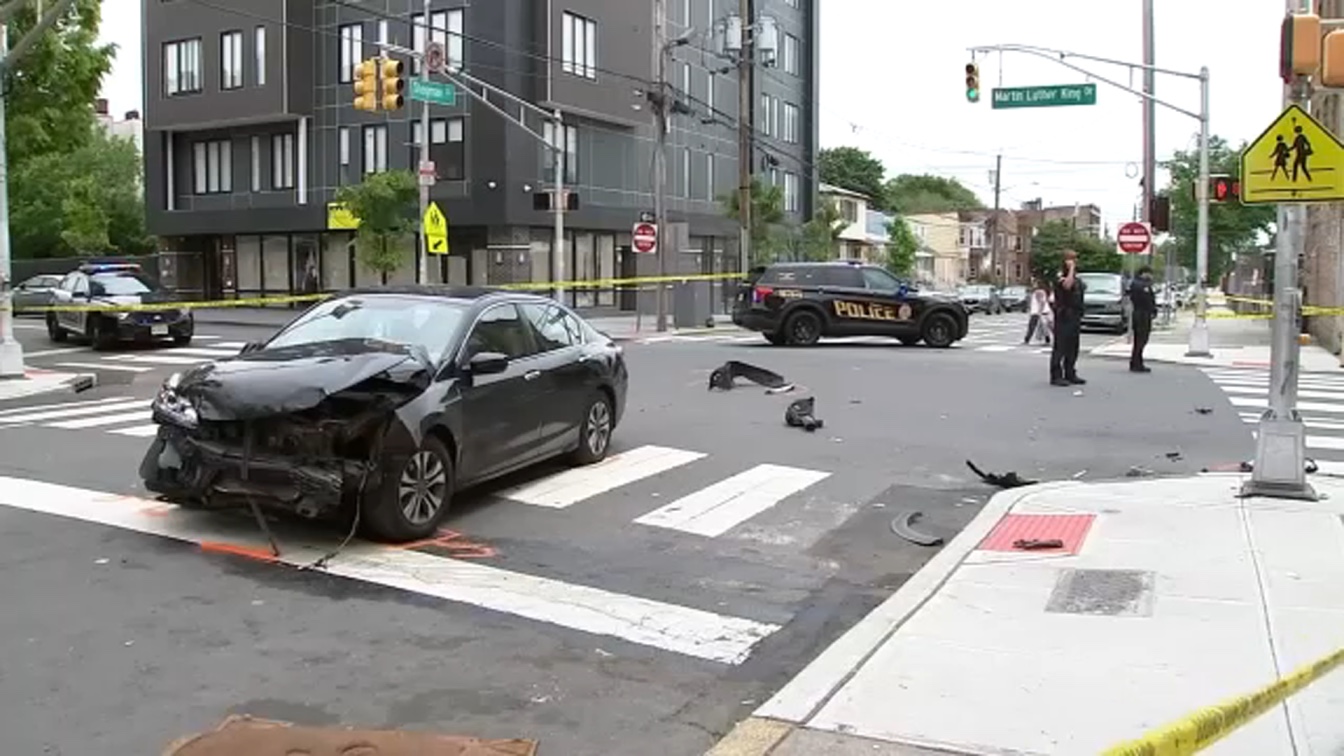
A car accident doesn’t end when the vehicles stop moving.
For most people, that’s when everything else begins. Pain that shows up hours later. A body that doesn’t feel quite right. Missed workdays. Sleepless nights. And a constant, nagging feeling that life has been knocked off balance.
Then the phone rings.
It’s the insurance company.
They sound calm. Polite. Almost reassuring. They ask how you’re feeling. They say they want to “take care of things quickly” so you can move on. Sometimes they even mention a settlement before you’ve had time to fully understand what happened to you.
For many people in Jersey City and across New Jersey, that call feels like relief.
But it’s also the moment when the process starts moving faster than recovery ever does.
Why Insurance Companies Are Always in a Hurry
Insurance companies don’t rush because they’re concerned about your well-being. They rush because speed protects their interests.
In the days immediately after a crash:
- Injuries may not be fully diagnosed
- Treatment plans haven’t taken shape
- Pain levels change daily
- Financial pressure is already setting in
This early window is when claims are easiest to resolve—and cheapest to close. Any settlement offered during this time is based on incomplete information, not on the full impact the accident may have on your health, work, or daily life.
Once an agreement is signed, the case is usually closed for good, even if your condition worsens later.
The Injuries That Don’t Show Up Right Away
One of the most unfair realities of car accidents is that many injuries don’t announce themselves immediately.
At first, it might feel like soreness. Tightness. Fatigue. Headaches that come and go.
Weeks later, it can turn into:
- Persistent neck or back pain
- Nerve issues or numbness
- Trouble sitting, standing, or sleeping
- Pain that interferes with work and daily routines
By the time many people realize something isn’t improving, they’ve already accepted a settlement—and unknowingly taken responsibility for whatever comes next.
That doesn’t mean they made a careless decision.
It means they were asked to decide before the full picture was clear.
Pressure That Doesn’t Feel Like Pressure
Insurance adjusters rarely push aggressively. In fact, they’re trained to do the opposite.
They say things like:
- “We don’t want this to drag on for you.”
- “Most people just want to put this behind them.”
- “This offer may not be available later.”
It doesn’t feel like pressure.
It feels practical. Reasonable. Even helpful.
And when you’re hurting, stressed, and trying to regain control, that practicality can be convincing.
When People Start Questioning the Timeline
For many accident victims, doubts don’t appear during the initial phone calls. They appear later.
When the pain doesn’t fade.
When the bills keep arriving.
When returning to work feels harder than expected.
When “normal” doesn’t come back as quickly as promised.
That’s often when people start looking for perspective—reading more, asking questions, and sometimes speaking with a car accident lawyer to understand whether the process moved too fast for their situation.
Why Slowing Down Isn’t Being Difficult
There’s a quiet fear many injured people carry:
“I don’t want to make this harder than it already is.”
But taking time after an accident isn’t about being difficult.
It’s about being honest with yourself.
Real injuries take time to understand.
Real recovery doesn’t follow an insurance schedule.
Real decisions deserve complete information, not urgency.
Time allows:
- Symptoms to fully surface
- Treatment to progress
- Long-term effects to become clearer
That clarity changes everything.
A Truth Most People Learn Too Late
Insurance companies handle accident claims every single day.
Most injured people go through this once in their lives.
The system isn’t designed to slow down for recovery. It’s designed to keep moving. And if you don’t pause it—even briefly—it will move forward without waiting for your health to catch up.
One Thing Worth Remembering
You don’t owe anyone a fast answer while you’re still hurting.
You don’t need to decide everything in the first week.
And you’re allowed to take the time you need to understand what this accident really means for your life.
Sometimes, the smartest move after a crash isn’t saying yes quickly.
It’s giving yourself time.
Leave a Reply